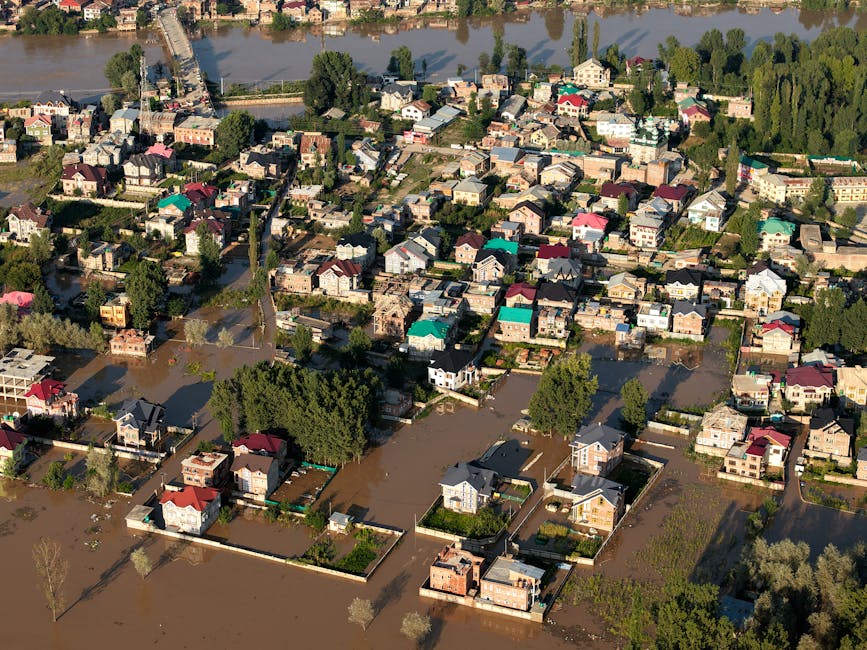
Emergency Flood Carpet Drying and Cleaning Greenwich
If a carpet has just been soaked by a leak, a burst pipe, a washing machine spill, or floodwater, the clock starts ticking immediately. Emergency flood carpet drying and cleaning Greenwich is not just about making the room look tidy again; it is about stopping smell, staining, mould growth, and deeper damage before they settle in. In real life, the first hour or two can make a huge difference. You may be standing there with wet socks, a strong damp smell in the air, and no clear idea what to do next. Fair enough - most people do not deal with flood-damaged carpet every day.
This guide walks you through what emergency carpet drying and cleaning involves, why it matters, what happens step by step, and how to make sensible decisions under pressure. You will also find practical tips, common mistakes, a comparison table, and a checklist you can use straight away. If you need broader carpet care after the immediate problem is dealt with, the general carpet cleaning service and steam carpet cleaning pages may also help you understand longer-term maintenance options.
Why Emergency Flood Carpet Drying and Cleaning Greenwich Matters
Carpet holds water in layers. The surface may look only moderately damp while the backing, underlay, and floor below are much wetter. That hidden moisture is where the trouble starts. A carpet that sits wet for too long can develop lingering odour, discolouration, delamination, and in some cases mould. If the water source is dirty, the risk level rises again because contamination can spread into fibres and soft furnishings nearby.
In Greenwich homes and businesses alike, the challenge is often timing. Flats, terraces, offices, and rental properties can all have limited ventilation, busy schedules, or shared access. A wet carpet in a hallway on a rainy evening is not the same as a single-room spill on a dry afternoon. One is annoying. The other can become a small disaster if ignored. Let's face it, floodwater never arrives at a convenient time.
Emergency drying and cleaning matters because it does three jobs at once:
- removes standing water and excess moisture
- reduces the chance of permanent carpet damage
- helps prevent smell, staining, and hygiene problems
It also gives you a clearer picture of what can be saved. Sometimes the carpet is fine after prompt extraction and drying. Sometimes the underlay has to go. Sometimes the issue is worse than it first appears. That is why a quick response is so valuable. You want facts, not guesswork.
Expert summary: the sooner wet carpet is assessed, extracted, cleaned, and dried, the better the chance of preserving both the carpet itself and the floor beneath it.
How Emergency Flood Carpet Drying and Cleaning Greenwich Works
The process usually begins with an inspection. The goal is to identify where the moisture has travelled, what kind of water is involved, and whether the carpet, underlay, or surrounding materials are still salvageable. Clean water from a supply leak is treated differently from grey water or floodwater, which may contain contaminants. That distinction shapes the whole job.
Once the situation is understood, the first practical step is extraction. Water is removed using specialist suction equipment rather than mops alone. A mop can help with surface water, but it will not pull moisture out of the carpet structure. After extraction, the carpet is cleaned as needed using methods appropriate to the contamination level. This may include targeted stain treatment, deodorising, or a deeper clean if soiling has been pulled in from outside water.
Drying then becomes the main focus. That usually means controlled airflow, dehumidification, and regular checks so the drying does not stall. In a typical home, you may notice the carpet feels better after a few hours, but hidden damp can linger far longer. Good drying is measured, not guessed. You check moisture levels, airflow, and the feel of the backing and underlay.
If the underlay or pad has absorbed too much water, it may need to be lifted and replaced. That is not the cheerful answer anyone wants, but truth be told, it is often the only sensible way to avoid smells coming back later. No one likes doing the same job twice.
For deeper flood-related cleaning, especially where upholstery, rugs, or other soft items were also affected, related services such as rug cleaning, upholstery cleaning, and sofa cleaning can be relevant once the main room is stabilised.
Key Benefits and Practical Advantages
The biggest benefit is simple: faster recovery. A prompt response can stop a wet carpet from becoming a replacement job. That matters whether you are a homeowner, landlord, tenant, property manager, or office manager trying to get life back on track.
- Less long-term damage: moisture trapped for hours or days can affect carpet fibres, adhesive, and underlay.
- Reduced odour: damp smells are much easier to prevent than remove later.
- Cleaner indoor environment: quick cleaning helps reduce the spread of dirt and contaminants.
- Better appearance: prompt stain treatment often improves the final result.
- More certainty: professional assessment helps you decide what needs drying, cleaning, lifting, or replacing.
There is also a practical peace-of-mind benefit. When a flood has happened, people often feel the whole room has been thrown off balance. Dry carpet, clean edges, no musty air - these small things matter more than people admit. A room starts to feel liveable again.
For commercial properties, the benefits can include reduced disruption to staff and customers, which is where commercial carpet cleaning becomes part of the bigger picture after emergency drying has done its job.
Who This Is For and When It Makes Sense
This service makes sense any time carpet has been soaked beyond what normal ventilation can handle. That includes obvious flood events, but also less dramatic situations that still create hidden moisture. A pipe behind a unit. A toilet overflow. A rainwater ingress at the edge of a room. A dishwasher or washing machine leak. Even a large spill in the wrong place can justify urgent action if it has reached the underlay.
It is especially relevant if:
- the carpet feels saturated rather than just damp
- there is a visible waterline or spreading edge
- the smell is starting to turn stale or earthy
- the water source is unknown or possibly contaminated
- you can feel soft, squelchy areas underfoot
- the room is occupied by children, pets, or vulnerable residents
In Greenwich, flats with limited space or shared ventilation can make drying harder than people expect. Stairs, landings, and hallways can also trap moisture in awkward places. If the issue is in a rented property, it can be worth checking the terms and reporting process straight away, because delays can complicate things fast.
This is also where trust matters. A provider should be able to explain what they are doing, what they have found, and what they recommend next. If you are comparing companies, it helps to understand their approach to about us, insurance and safety, and health and safety policy details before you make a call.
Step-by-Step Guidance
If you are dealing with a wet carpet right now, keep this sequence in mind. It is not glamorous, but it works.
- Stop the source if you safely can. Turn off the water supply, isolate the appliance, or move the source away from the area. If electricity may be affected, do not take risks.
- Protect people first. Keep children and pets away from the wet area. Slippery carpet is no joke, and contaminated water should be treated carefully.
- Remove loose items. Lift furniture legs if possible, move small objects off the floor, and protect anything that can stain or swell.
- Blot surface water. Use absorbent towels or cloths for visible water, working from the edges inwards. Do not rub hard. That just drives moisture deeper.
- Assess the source water. Clean water, grey water, and floodwater are not the same. If the water is dirty or smells off, treat it as a hygiene issue, not just a drying job.
- Extract moisture properly. Use suitable equipment where available. This is where specialist help can save time and avoid hidden damage.
- Clean the carpet as needed. Spot clean stains, address any residues, and treat odour carefully rather than masking it.
- Dry with airflow and dehumidification. Open ventilation where safe, but do not rely on fresh air alone if the carpet is heavily saturated.
- Check underlay and edges. Corners, skirting lines, and seams often stay wet longest. That is where trouble hides.
- Confirm dryness before putting the room back to normal. The carpet should feel dry through the pile and backing, not just on top.
A small but important point: do not rush furniture back too soon. Heavy items can trap moisture and leave marks, especially on a soft pile carpet. Patience here saves headaches later.
Expert Tips for Better Results
After handling enough wet carpet situations, a few habits stand out. They are not fancy, just sensible.
- Act quickly, even if the carpet "does not look that bad". Appearances are deceptive with water damage.
- Prioritise the underlay. A dry-looking surface can hide soaked backing underneath.
- Use controlled airflow rather than blasting hot air. Too much heat can cause warping, uneven drying, or set some stains.
- Lift furniture where possible. It helps air circulate and avoids rust or wood transfer.
- Treat odour as a warning sign. If it smells musty, something is still damp.
- Keep a record of what happened. A few photos can help with insurance, landlords, or simply remembering the timeline.
A useful rule of thumb: if the carpet is still cool and heavy after surface drying, it is probably holding more water than you think. You will notice it when you walk across it. There is a soft, tired feel to it. Bit of a giveaway, really.
If there are stains left behind after drying, targeted stain removal can help once the fibre is stable. For persistent pet-related smells that were stirred up by moisture, pet stain and odour removal may also be useful.
Common Mistakes to Avoid
People often make the same errors because they are trying to act quickly. That is understandable. But a few shortcuts can create bigger problems.
- Waiting to see if the carpet dries on its own. Sometimes it does. Often it does not.
- Using too much heat. A fan heater or hairdryer can seem helpful, but it is rarely the best answer for a soaked room.
- Scrubbing stains aggressively. This can spread the mark or damage the pile.
- Ignoring the underlay. The carpet may look fine while the layers below stay wet.
- Replacing furniture too soon. Trapped moisture under legs and bases can leave marks or odours.
- Assuming all water is harmless. If the source is uncertain, take hygiene seriously.
Another common one: ventilating the room for a few minutes and then thinking the job is done. A quick burst of fresh air feels productive, but drying is usually a longer, steadier process. The carpet needs actual moisture removal, not just a breeze.
Tools, Resources and Recommendations
You do not need a warehouse of equipment to respond well, but the right tools make a huge difference. The exact setup depends on the extent of the damage, yet these are the most useful items to think about:
- Absorbent towels or cloths for surface water
- Wet vacuum or extraction equipment for pulling out deeper moisture
- Air movers or fans to keep air circulating across the carpet
- Dehumidifier to remove moisture from the room air
- Protective gloves if the water may be contaminated
- Cleaning solution suited to the fibre if residues or stains remain
- Moisture checks so you know when the carpet and underlay are genuinely dry
For customers who want a broader understanding of how a company handles pricing, billing, and trust, the pages on pricing and quotes, payment and security, and terms and conditions can be helpful. It is not the most exciting reading, admittedly, but it gives you a clearer sense of process.
If you need help with related furnishings after a flood, the same practical approach often applies to mattress cleaning, curtain cleaning, and upholstery cleaning. Soft furnishings absorb moisture in slightly different ways, but the principle is similar: extract, clean, dry, then verify.
Law, Compliance, Standards, or Best Practice
For flood and water-damage situations, the exact duties and responsibilities can depend on whether you are a homeowner, tenant, landlord, or managing agent. Rather than overstate anything, the safest advice is to follow good practice around safety, contamination, and prompt reporting. If the property is rented, notifying the relevant party quickly is usually sensible. If there is any electrical risk, get the area made safe before continuing.
In a UK context, responsible carpet drying work should also reflect normal expectations around health and safety, insurance awareness, and clear communication. That means:
- using appropriate protective measures where water may be contaminated
- avoiding unsafe use of electrical equipment near wet areas
- being honest about what can and cannot be saved
- keeping the customer informed if underlay or flooring may need replacement
- making sure the drying process does not create a new hazard
It is also fair to expect a provider to have sensible policies in place. The pages on health and safety policy and insurance and safety are useful trust signals because they show the company thinks beyond the immediate clean. That matters when the job involves water, access, and the risk of hidden damage.
On the sustainability side, flood work can create waste, especially if underlay or padding must be removed. Where possible, responsible disposal and sensible material handling should be part of the plan. If that is a priority for you, take a look at the company's recycling and sustainability approach.
Options, Methods, or Comparison Table
Not every wet carpet needs the same response. Sometimes you are dealing with a small household leak. Sometimes it is a much bigger intrusion and the safest route is a full extraction-and-dry process. The table below shows the practical differences in plain English.
| Method | Best for | Pros | Limits |
|---|---|---|---|
| Manual blotting and airing | Small surface spills | Quick, low-cost, easy to start | Often not enough for saturated carpet or underlay |
| Wet vacuum extraction | Moderate water ingress | Removes more moisture, speeds up recovery | Needs suitable equipment and care around contamination |
| Full emergency drying setup | Heavier flooding or hidden moisture | Better for deep drying and damage prevention | May take longer and may need professional support |
| Lift and replace underlay | Severe saturation or contamination | Prevents recurring odour and hidden damp | More disruptive, but sometimes necessary |
As a simple decision rule: if the carpet is merely damp and the source was clean water, you may get away with a lighter response. If it is soaked through, smells bad, or the water source is questionable, move to a more serious approach. That is just common sense. Not thrilling, but effective.
Case Study or Real-World Example
Here is a realistic example. A Greenwich resident returns home after a long morning out and finds a kitchen leak has spread into the hallway carpet. The surface looks patchy, and the room has that cold, metallic damp smell you notice before you even see the puddle. The first instinct is to mop and hope. Fair enough. Nobody wants to start ripping things up on the spot.
Instead, the safer approach is to stop the leak, remove any furniture nearby, blot visible water, and assess how far it has travelled. The hallway carpet feels heavier near the skirting boards, which suggests the moisture has moved under the edge. A proper response would then involve extraction, targeted cleaning, airflow, and dehumidification. If the underlay is soaked, lifting it may be the only sensible fix.
What made the difference in this kind of situation was not magic. It was speed, patience, and not pretending the problem was smaller than it was. By the next day, the space could be drying properly instead of developing a stale smell that lingers for weeks. That is the kind of practical win people really want.
Practical Checklist
Use this simple checklist if you are handling flood damage now or preparing for an emergency response.
- Identify and stop the water source if it is safe to do so
- Keep people and pets away from the affected area
- Move dry items, rugs, and loose furniture out of the way
- Blot or extract surface water as soon as possible
- Check whether the water is clean, grey, or contaminated
- Inspect edges, seams, and underlay for hidden moisture
- Use airflow and dehumidification rather than heat alone
- Treat odour and staining once the carpet is stable
- Do not replace furniture until the carpet is properly dry
- Document damage if insurance, landlords, or property managers are involved
If you are unsure whether the carpet or underlay can be saved, that is a good moment to pause and ask for a professional opinion. Better a careful decision now than a bigger repair bill later.
Conclusion
Emergency flood carpet drying and cleaning Greenwich is really about timing, judgement, and doing the right steps in the right order. Extract the moisture, clean what needs cleaning, dry thoroughly, and do not rush the room back into use before the carpet is genuinely dry. That simple discipline saves a lot of trouble.
For homeowners, landlords, and businesses in Greenwich, the goal is not just to make the carpet look acceptable again. It is to protect the room, the flooring, the air quality, and the people using the space. Sometimes a carpet can be rescued. Sometimes the underlay needs replacing. Sometimes the honest answer is a mix of both. Either way, a clear response beats panic every time.
If you are comparing providers, look for transparency, safety awareness, and a sensible approach to drying as well as cleaning. A good service should help you understand the condition of the carpet, not just sell you a quick fix. And really, that reassurance matters when your floor has suddenly become the problem of the day.
Get a free quote today and see how much you can save.
One last thought: when water gets into a carpet, calm action wins. A steady response now can make tomorrow feel a lot less stressful.
Frequently Asked Questions
How quickly should emergency flood carpet drying start?
As quickly as possible. The sooner extraction and drying begin, the better the chance of preventing odour, staining, and deeper damage. Even a few hours can matter if the carpet is heavily saturated.
Can a wet carpet be saved after flooding?
Sometimes, yes. If the water was clean and the carpet is dried promptly, it may be recoverable. If contamination is involved or the underlay has been soaked for too long, replacement of part of the system may be needed.
What is the difference between carpet cleaning and flood carpet drying?
Carpet cleaning removes soil, stains, and residues. Flood carpet drying focuses on water extraction, moisture control, and preventing structural damage. In emergency cases, both are often needed.
Do I need to replace underlay after a flood?
Not always, but it is common when the underlay has absorbed a lot of water or has been affected by dirty water. Underlay can hold smell and moisture longer than the carpet itself, so it is worth checking carefully.
Is it safe to keep using fans on a wet carpet?
Fans can help move air, but they should be used as part of a broader drying plan. If electricity, contamination, or hidden saturation are concerns, it is better to be cautious and use the right setup.
How do I know if the carpet is really dry?
The carpet should feel dry through the pile and backing, not just on the top. Edges, seams, and the underlay should also be checked. A lingering cool, heavy feel usually means there is still moisture present.
Will flood water make my carpet smell forever?
Not necessarily. If the moisture is removed quickly and the carpet is cleaned and dried thoroughly, odour can often be prevented. Persistent smells usually mean some damp material was left behind.
Can I clean flood-damaged carpet myself?
For a small clean-water spill, yes, you may be able to handle it. For serious flooding, dirty water, or hidden underlay saturation, professional equipment and experience are usually the safer route.
How long does emergency carpet drying take?
It depends on the amount of water, the type of carpet, the underlay, ventilation, and the room conditions. Small incidents may dry far faster than a fully soaked room, so there is no one-size-fits-all answer.
Will insurance cover flood carpet drying and cleaning?
That depends on the policy and the cause of the damage. It is sensible to document the incident, keep photos, and check your cover as early as you can. If in doubt, ask your insurer or property manager promptly.
What if the floodwater was dirty or smelled bad?
Treat it as a contamination issue, not just a drying job. Keep people away, avoid spreading the water, and make sure cleaning and drying are handled carefully. Dirty water can carry more risk than a simple clean-water leak.
Should I move furniture back onto the carpet right away?
No, not if the carpet is still damp. Heavy furniture can trap moisture and leave marks. Wait until the carpet and underlay are properly dry, and use protection under legs if needed.
Where can I find more information about the company and its policies?
You can review the company's about us page, along with the pages covering health and safety policy, insurance and safety, and privacy policy for a clearer picture of how the service is run.