Sofa Cleaning in Modern Homes: Smart Methods for Fresh, Healthy Upholstery
Keeping your living room fresh starts with one essential task: sofa cleaning. Your sofa is one of the most-used pieces of furniture in the home, which means it collects dust, body oils, crumbs, pet hair, allergens, and everyday spills faster than most people realize. Whether your upholstery is fabric, microfiber, leather, or a blended material, regular sofa cleaning helps preserve its appearance, extend its life, and support a cleaner indoor environment.
For many households, the sofa is more than seating. It is where families relax, watch movies, entertain guests, and sometimes even eat meals. Because of that heavy use, upholstery care is not just about looks. It is also about hygiene, comfort, and maintaining the value of your furniture. With the right approach, sofa cleaning can be simple, effective, and safe for your upholstery.
In this article, you will learn practical methods, common mistakes to avoid, and the best ways to care for different sofa materials. If you want your furniture to stay attractive and fresh, consistent sofa cleaning is the answer.
Why Sofa Cleaning Matters for Every Home
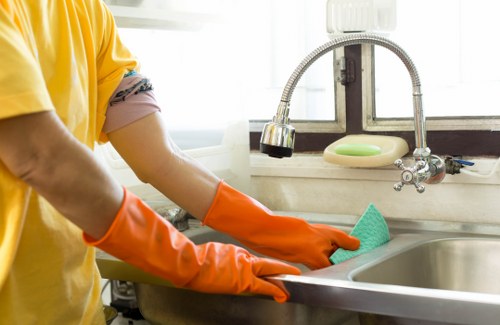
Regular sofa cleaning does more than remove visible dirt. Over time, upholstery can trap allergens, sweat, bacteria, and odors that affect indoor air quality. Dust mites and pet dander may settle deep into fabric fibers, especially on cushions, armrests, and seams. If you suffer from allergies or simply want a healthier home, keeping your sofa clean should be a priority.
Another reason sofa cleaning matters is furniture longevity. Dirt particles work like tiny abrasives, gradually wearing down fibers and dulling colors. Stains left untreated can become permanent, while oils from skin and hair can cause fabric to darken unevenly. Routine care helps prevent these problems and keeps your sofa looking newer for longer.
There is also a strong aesthetic benefit. A clean sofa instantly improves the look of your entire living space. It makes the room feel brighter, more welcoming, and more organized. Whether you are hosting friends or enjoying a quiet evening at home, a fresh sofa creates a better experience.
Understanding Different Sofa Materials

Before starting any sofa cleaning routine, it is important to identify the upholstery material. Not all fabrics react the same way to water, soap, or cleaning products. Using the wrong method can cause shrinkage, discoloration, texture changes, or damage to the filling beneath the fabric.
Fabric sofas are common in many homes because they are comfortable and available in many colors and textures. However, they absorb spills quickly and may require more careful stain treatment. Microfiber sofas are often easier to maintain because the tight weave resists some dirt and moisture, though they still need regular vacuuming and spot cleaning.
Leather sofas need a gentler approach. Leather is durable, but it can dry out, crack, or lose its finish if cleaned with harsh chemicals. Blended upholstery, suede, and performance fabrics each have their own care needs. Always check the manufacturer’s cleaning code before applying a product. This small step can prevent costly damage during sofa cleaning.
How to Read Cleaning Codes Before You Begin
Most furniture tags include cleaning codes that tell you which products are safe for the material. These codes are essential for smart sofa cleaning because they guide your method and protect the upholstery from harm.
- W – Use water-based cleaners.
- S – Use solvent-based cleaners only.
- WS – Water- or solvent-based cleaners are safe.
- X – Vacuum only; no liquid cleaning products.
If your sofa has an X code, avoid wet cleaning and focus on vacuuming and professional service when needed. If the label is missing, test any cleaner on a hidden area first. Smart sofa cleaning starts with knowing what your furniture can safely handle.
Understanding cleaning codes also helps you choose between DIY care and professional upholstery cleaning. When in doubt, select the gentlest method first and work slowly. This careful approach can make a major difference in keeping your furniture safe and fresh.
Essential Tools for Effective Sofa Cleaning
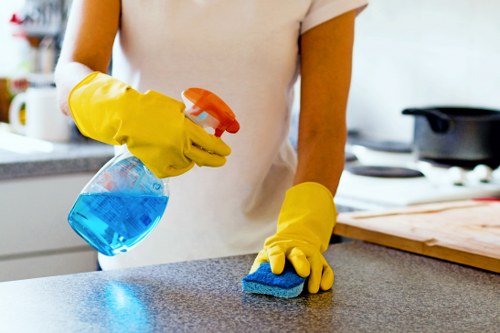
You do not need a large collection of tools to perform good sofa cleaning. A few practical items can handle most routine tasks. Having the right tools nearby makes the process faster, easier, and more effective.
Here are some useful tools for upholstery care:
- A vacuum with an upholstery attachment
- A soft-bristled brush
- Microfiber cloths
- Spray bottle with mild cleaning solution
- Clean towels for blotting
- Baking soda for deodorizing
- Rubber gloves if using cleaning products
When used correctly, these tools support routine sofa cleaning without damaging the fabric. A vacuum removes surface debris, while microfiber cloths help lift soil from fibers. A soft brush can refresh the nap of the fabric and loosen dirt from seams. Simple tools often deliver excellent results when paired with consistency.
Step-by-Step Sofa Cleaning at Home
For many households, basic sofa cleaning can be completed at home using safe, simple methods. The key is to work in stages and avoid saturating the upholstery. Too much liquid can lead to water stains, mildew, or odors trapped inside the cushions.
Step 1: Vacuum thoroughly. Use the upholstery attachment to remove dust, hair, crumbs, and loose debris. Pay special attention to seams, crevices, and under cushions. This step is crucial because dry dirt can interfere with deeper sofa cleaning later.
Step 2: Treat stains carefully. Blot spills immediately with a clean cloth. Never rub aggressively, as this can spread the stain and push it deeper into the fabric. Apply a suitable spot cleaner based on the material and cleaning code.
Step 3: Clean the surface. Use a lightly damp cloth or approved upholstery cleaner. Work in small sections and avoid over-wetting. For fabric sofas, gentle circular motions often work best. For leather, use a pH-balanced leather cleaner and a dry cloth to finish.
Step 4: Dry properly. Airflow is important after sofa cleaning. Open windows, turn on fans, or use a dehumidifier to help the upholstery dry faster. Never use high heat unless the manufacturer recommends it.
How to Remove Common Sofa Stains

Stains are one of the main reasons people search for sofa cleaning solutions. The best approach depends on the type of spill and the upholstery material. Fast action usually leads to better results, so it helps to know what to do before a stain sets.
Coffee and tea: Blot the liquid immediately. Use a small amount of mild detergent mixed with water if the fabric allows it. Continue blotting until the stain lifts.
Grease and oil: Sprinkle a small amount of baking soda or cornstarch on the spot to absorb excess oil. Let it sit briefly, then vacuum and treat with a fabric-safe cleaner.
Ink: Ink can be difficult, but a solvent recommended for your sofa material may help. Always test first. For delicate upholstery, professional sofa cleaning may be the safest option.
Pet stains: Clean promptly and use an enzymatic cleaner if safe for the fabric. These products help break down odor-causing compounds and support better sanitation.
Food spills: Remove solids carefully with a spoon or dull edge, then blot and clean the area with a suitable solution. The faster you act, the easier the sofa cleaning process becomes.
Best Practices for Fabric Sofa Cleaning
Fabric upholstery is popular because it feels soft and cozy, but it can absorb stains and odors more readily than other materials. Effective fabric sofa cleaning usually begins with routine vacuuming and periodic deep cleaning.
Use a fabric-safe upholstery cleaner or a mild solution made specifically for furniture. Avoid soaking the material. Light misting is usually better than direct pouring. Work section by section, and blot with a clean towel rather than scrubbing hard. This helps maintain the weave and reduce wear.
For deodorizing, sprinkle baking soda over the dry sofa, allow it to sit for 15 to 30 minutes, and vacuum thoroughly. This simple step can refresh the upholstery and reduce lingering smells. Regular fabric sofa cleaning also helps preserve color and texture, especially in households with children or pets.
Important: If the fabric looks worn, faded, or brittle, be extra cautious. Some older upholstery may not tolerate moisture or agitation well. In those cases, lighter sofa cleaning methods are safer than aggressive treatments.
Leather Sofa Cleaning and Care

Leather requires a different approach from fabric, but it still benefits greatly from routine sofa cleaning. Dust and debris can collect on the surface and in the stitching, while body oils can create shiny patches over time. Proper leather care keeps the material supple and attractive.
Start by vacuuming with a soft brush attachment to remove dust from seams and corners. Then wipe the leather with a dry or slightly damp microfiber cloth. Use a cleaner made specifically for leather if deeper cleaning is needed. Never use harsh chemicals, bleach, or abrasive scrubbers.
Conditioning is also an important part of leather sofa cleaning. A quality leather conditioner can help reduce dryness and prevent cracking. Apply it sparingly and follow the manufacturer’s directions. Over-conditioning can leave a sticky residue, so moderation is key.
For leather sofas, regular maintenance is often more effective than heavy cleaning. Wiping the surface weekly and conditioning periodically can help the sofa remain soft, smooth, and elegant for years.
Microfiber Sofa Cleaning Tips
Microfiber is known for its durability and stain resistance, making it a favorite in busy homes. Even so, microfiber sofa cleaning still requires the right methods to preserve its soft, suede-like feel.
Most microfiber sofas respond well to vacuuming and light spot cleaning. If your cleaning code allows water, use a damp cloth with a small amount of mild soap. For solvent-safe materials, a compatible upholstery cleaner may work better. Always avoid leaving water marks by cleaning evenly and drying quickly.
One useful tip is to brush microfiber gently after it dries. This helps restore the texture and prevents flattening. With routine microfiber sofa cleaning, you can keep the surface looking smooth and inviting without much effort.
How Often Should Sofa Cleaning Be Done?
The ideal sofa cleaning schedule depends on how often the sofa is used, whether pets or children are present, and what type of upholstery you have. Still, some general timing rules can help keep your furniture in great shape.
- Weekly: Vacuum the sofa and remove crumbs, hair, and dust.
- Monthly: Spot clean stains and refresh the upholstery.
- Every 6 to 12 months: Perform a deeper sofa cleaning or professional service.
- As needed: Treat spills and odors immediately.
High-traffic homes may need more frequent sofa cleaning. Pet owners, for example, may need to vacuum several times a week. Homes with light use may require less frequent care, but routine attention is still important. Small habits add up and prevent larger cleaning problems later.
Consistency matters. A little maintenance each week is easier and more effective than waiting until stains and odors build up. When sofa cleaning becomes part of your regular routine, the whole room stays fresher.
Common Mistakes to Avoid During Sofa Cleaning
Even well-intentioned cleaning can go wrong if the method is not suitable for the upholstery. Avoiding common mistakes can save time, protect the fabric, and improve results.
One frequent mistake is using too much water. Excess moisture can seep into cushions and padding, causing odors or mildew. Another mistake is scrubbing stains too hard, which may damage the weave or spread the stain further. Strong chemicals are also risky, especially on delicate fabric or leather.
Other mistakes include skipping the cleaning code, ignoring hidden test spots, and not allowing enough drying time. Effective sofa cleaning requires patience and the right product selection. If a stain does not respond to gentle treatment, it is often better to stop and seek professional assistance than to cause permanent damage.
Remember, the goal is not just to clean the sofa once. The goal is to preserve the furniture and keep it looking good over time. A careful sofa cleaning method is always better than a rushed one.
When Professional Sofa Cleaning Makes Sense
DIY methods are useful, but there are times when professional sofa cleaning is the smarter choice. Deep-set stains, stubborn odors, delicate fabrics, and heavily used furniture may require specialized equipment and expertise.
Professional upholstery cleaning can extract dirt from deeper layers, remove buildup more effectively, and refresh the appearance of the sofa without unnecessary risk. This can be especially valuable if your sofa has a strong cleaning code restriction or if you are dealing with pet accidents, smoke odors, or years of accumulated grime.
Professional sofa cleaning is also helpful before special occasions, after moving into a new home, or when preparing a property for sale or rental. A professionally cleaned sofa can make the space feel more polished and cared for. If your sofa needs more than routine maintenance, book your service now and let specialists handle the heavy lifting.
Everyday Habits That Keep Sofas Cleaner Longer
The best sofa cleaning strategy includes daily habits that reduce the amount of dirt entering the upholstery in the first place. Simple routines can make a big difference in how often your sofa needs deeper cleaning.
Try these habits:
- Remove shoes before sitting on the sofa when possible.
- Keep food and drinks away from the upholstery.
- Use washable throws or covers in high-use areas.
- Rotate cushions regularly to distribute wear evenly.
- Brush off pet hair before it settles deeply into fibers.
- Vacuum around the sofa to reduce dust migration.
These small actions support cleaner upholstery and reduce the effort needed for sofa cleaning later. Prevention is often the easiest and most cost-effective form of furniture care. The cleaner your daily habits, the easier it becomes to maintain a fresh sofa.
Maintaining a Fresh Smell After Sofa Cleaning
A sofa can look clean yet still hold odors from pets, food, moisture, or smoke. Good sofa cleaning should address both appearance and smell. Freshness is part of what makes a living room feel comfortable and welcoming.
To maintain a pleasant scent, vacuum regularly, use baking soda occasionally, and ensure the sofa dries fully after any wet cleaning. Open windows when possible to encourage air circulation. You can also place odor absorbers nearby, such as charcoal products or activated mineral packs, without applying harsh fragrances directly to the upholstery.
For persistent odors, deeper sofa cleaning may be necessary. Odors can become trapped in cushions or the underlying foam, making surface cleaning insufficient. In these cases, a professional upholstery treatment can provide more lasting results. If your furniture needs a stronger refresh, contact us today to explore service options.
Final Thoughts on Sofa Cleaning for a Healthier Home
Sofa cleaning is one of the most practical ways to improve comfort, hygiene, and the overall appearance of your home. It protects your investment, supports better indoor air quality, and helps your furniture last longer. With the right tools, safe methods, and a regular schedule, sofa cleaning does not have to be difficult.
Whether you are dealing with a fabric sectional, a leather loveseat, or a microfiber family sofa, the key is to treat the material properly and stay consistent. Start with vacuuming, handle spills quickly, and use cleaning products that match the upholstery type. When the job is too large or the fabric is too delicate, professional help can make all the difference.
Take action today to keep your furniture fresh and inviting. Book your service now or start your maintenance routine at home and enjoy the benefits of cleaner upholstery every day.
Quick Sofa Cleaning Checklist
- Vacuum all surfaces and seams
- Check the cleaning code
- Test products in a hidden spot
- Blot spills instead of rubbing
- Dry the sofa thoroughly
- Schedule deeper cleaning as needed
Simple rule to remember
Regular sofa cleaning is easier, safer, and more effective than waiting until stains and odors become a problem.