Stain Removal in Everyday Life: Practical Methods, Smart Prevention, and Long-Lasting Results
Why stain removal matters in homes, businesses, and daily routines
Stain removal is one of those household topics that seems simple until a fresh spill lands on a favorite shirt, a sofa, a carpet, or a countertop. At that moment, knowing how to handle stain removal quickly can save time, money, and frustration. Whether the problem is coffee on a blouse, grease on upholstery, ink on a desk chair, or red wine on a tablecloth, the right stain removal approach makes a major difference.
Effective stain removal is not only about making fabrics and surfaces look good again. It also helps preserve materials, reduce wear, and extend the life of items you already own. Many people attempt stain removal with the wrong product or too much scrubbing, which can make the stain worse or set it permanently. A smarter method is to identify the stain, understand the surface, and use a treatment that fits both.
In homes, offices, rental properties, and hospitality spaces, stain removal is part of maintaining cleanliness and professionalism. It supports a better first impression and protects investment in carpets, furniture, linens, and clothing. Stain removal works best when it is done with patience, the right technique, and an understanding of what caused the mark in the first place.
Understanding stain removal: why different stains need different treatment
One of the most important facts about stain removal is that not all stains behave the same way. Some stains are water-based, such as juice, tea, or mud. Others are oil-based, like salad dressing, body oils, or cooking grease. Then there are protein-based stains, including blood, dairy, and egg. Each category reacts differently to cleaning methods, which means a one-size-fits-all stain removal method rarely works well.
Temperature also matters. Hot water may help with some stains, but it can cause proteins to bond with fabric fibers, making stain removal far harder. Harsh chemicals can strip color, weaken fibers, or damage delicate surfaces. On the other hand, gentle treatment with the correct cleaner can lift the stain before it settles. That is why stain removal often begins with a quick assessment rather than immediate scrubbing.
Knowing the surface is equally important. Stain removal on cotton is not the same as stain removal on silk, wool, leather, marble, hardwood, or synthetic carpet. A surface that can tolerate soaking may react badly to excess moisture. A delicate textile may require blotting only, while a hard surface may need a degreaser. Smart stain removal is about matching the method to the material.
Common stain categories
- Food and beverage stains
- Grease and oil stains
- Ink and dye stains
- Protein stains such as blood or sweat
- Outdoor stains like mud and grass
- Cosmetic stains such as makeup or sunscreen
Fast first response: what to do before the stain sets
Speed is one of the biggest advantages in stain removal. The longer a stain sits, the deeper it can penetrate fibers and pores. When a spill happens, the first step is to act quickly but calmly. Blotting is usually better than rubbing because it lifts excess material without pushing it further into the fabric or surface. In many cases, this simple habit improves stain removal results dramatically.
Use a clean white cloth, paper towel, or absorbent pad to remove as much of the spill as possible. For solids, gently lift the debris with a spoon or dull edge before treating the area. Always test cleaning products on a hidden section first, especially on colored fabrics or sensitive surfaces. This step may feel minor, but it can prevent discoloration and make stain removal safer.
Another important rule is to avoid mixing random household cleaners. Some combinations create fumes or reduce cleaning effectiveness. Instead, choose one targeted solution and follow it consistently. If the stain is unknown, plain cool water and blotting may be the safest immediate action while you assess the next step. Early stain removal is often the easiest stain removal.
Emergency stain response checklist
- Blot the spill immediately.
- Remove solids carefully.
- Test a cleaner on a hidden spot.
- Apply the treatment gently.
- Repeat only if needed.
- Air-dry and inspect before heat exposure.
Stain removal for clothing: fabric-friendly methods that work
Clothing stain removal is one of the most searched cleaning topics because clothing is both frequently used and highly visible. Shirts, pants, uniforms, and formal wear can all be affected by everyday spills. The key to successful stain removal on clothing is to understand the fabric and handle it before washing or drying.
For washable fabrics, pre-treatment is often essential. Apply a small amount of stain remover, liquid detergent, or a mild soap solution directly to the mark and let it sit for a short period. Then wash according to the garment label. If the stain remains, repeat the process before putting the item in the dryer, because heat can lock in many stains permanently. This is a critical stain removal principle that saves garments from unnecessary damage.
Delicate fabrics require more caution. Silk, wool, and embellished garments may need professional attention or very gentle stain removal techniques. Rubbing can distort fibers, and excessive water can leave marks or shrink the fabric. For these materials, careful blotting, minimal product use, and proper drying are essential. Stain removal is not about using the strongest cleaner; it is about using the safest effective one.
Useful stain removal approaches for clothing
- Coffee and tea: rinse with cool water and treat with detergent
- Grease: apply absorbent powder first, then wash
- Ink: dab carefully with alcohol-based treatment if fabric allows
- Blood: use cool water only, then mild soap
- Makeup: pre-treat with detergent or a fabric-safe cleanser
Carpet and upholstery stain removal: protecting larger surfaces
Carpet and upholstery stain removal can feel intimidating because these surfaces are often expensive and harder to replace. Spills on rugs, sofas, cushions, and fabric chairs need a thoughtful approach that limits saturation and avoids spreading the stain. A good stain removal method for these surfaces starts with blotting, followed by controlled application of a suitable cleaner.
One common mistake is soaking the area. Too much liquid can push the stain deeper into padding or stuffing, leaving odor and discoloration behind. Instead, apply cleaning solution sparingly and work from the outside of the stain inward. This technique helps prevent spreading and supports cleaner stain removal results. Blot again with a dry cloth to lift loosened residue and moisture.
For upholstery, always check the manufacturer’s cleaning code if available. Some fabrics tolerate water-based cleaners, while others need solvent-based treatment. Carpet fibers may also respond differently depending on whether they are natural or synthetic. Careful stain removal protects appearance, texture, and durability. When in doubt, professional cleaning may be the safest choice for large or old stains.
Best practices for carpets and upholstery
- Blot instead of scrubbing
- Use minimal moisture
- Test cleaners first
- Work from outside to center
- Dry the area thoroughly
- Repeat gently rather than aggressively
Kitchen stain removal: grease, sauce, and food spills
The kitchen is one of the busiest places in any home, so stain removal there is a frequent task. Grease splatters, sauce drips, coffee rings, turmeric marks, and food spills can land on counters, cabinets, appliances, table linens, and floors. Because kitchen messes often involve oil and color pigments, stain removal must be both prompt and targeted.
For hard surfaces such as counters and tiles, a degreasing cleaner is often helpful. Wipe the area with a damp cloth after treatment to remove residue. For fabrics such as napkins, tablecloths, or dish towels, pre-treatment works well before laundering. Some food stains respond best to cold water and enzyme-based detergent, especially when proteins are involved. If you wait too long, stain removal becomes harder because oils and pigments bind more strongly to the material.
Kitchen stain removal is also about preventing cross-contamination. Use separate cloths for food prep areas and cleaning areas. Sanitize surfaces after removing the stain if necessary, especially around sinks, counters, and dining spaces. A clean kitchen is not just about looks; it supports hygiene and comfort. Routine stain removal keeps kitchens more inviting and easier to maintain.
Common kitchen stain solutions
- Oil and grease: absorb first, then use a degreaser
- Tomato sauce: rinse, pre-treat, and wash promptly
- Spice stains: treat gently to avoid spreading color
- Wine and juice: blot immediately and use a fabric-safe solution
- Coffee rings: apply detergent and rinse well
Bathroom stain removal: soap scum, hard-water marks, and more
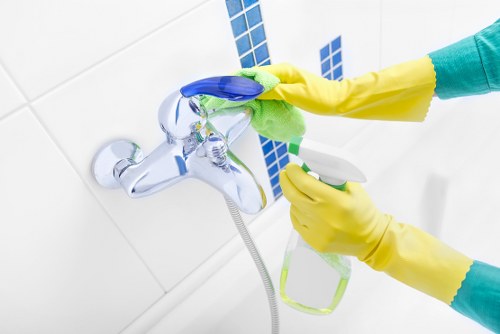
Bathroom stain removal often involves mineral deposits, soap scum, toothpaste, cosmetic residue, and mildew-related discoloration. These stains usually appear on sinks, tubs, tiles, grout, mirrors, towels, and shower curtains. Since bathrooms are humid, a stain can develop into a larger cleaning issue if it is ignored. Regular stain removal helps keep the room fresh and more comfortable to use.
Hard-water stains and mineral buildup respond well to acidic cleaners, while soap scum may need a surfactant-based product. On fabric items like bath mats or towels, stain removal can involve detergent plus a whitening or brightening treatment, depending on the fabric care label. Always avoid harsh products on delicate finishes and never mix incompatible chemicals. Safety should be part of every stain removal routine.
For grout and tile, allow cleaners to dwell for a short period before wiping or scrubbing lightly with a soft brush. Consistency matters more than force. Repeating mild stain removal is usually safer and more effective than using one very aggressive treatment. Regular bathroom stain removal keeps buildup from becoming permanent.
Bathroom stain removal tips
- Use non-abrasive tools on finishes
- Ventilate the room during cleaning
- Address mildew quickly
- Rinse surfaces thoroughly
- Dry textiles after washing
Natural stain removal vs commercial products
Many people prefer natural stain removal methods because they feel safer, simpler, or more affordable. Common household options include baking soda, vinegar, dish soap, hydrogen peroxide, and salt. These can work well for certain stains, especially when used correctly. However, natural stain removal is not automatically better in every situation. The best method still depends on the stain and surface.
Commercial stain removers are designed for specific problems and often contain enzymes, solvents, or surfactants that break down stains more efficiently. For tough marks like grease, grass, or protein stains, a targeted commercial product may outperform a home remedy. That said, natural and commercial approaches can both be useful parts of a larger stain removal strategy. The smartest choice is often the one that fits the specific task.
Before choosing a cleaner, consider the material, the age of the stain, and the expected result. If you are dealing with a valuable garment or delicate upholstery, safety should come first. Effective stain removal is less about trends and more about matching the right tool to the job.
When natural stain removal may help
- Light food spills
- Fresh odors with minor discoloration
- Routine maintenance cleaning
- Non-delicate, washable surfaces
When a commercial product may be better
- Old or set-in stains
- Grease and oil buildup
- Ink, dye, and pigment marks
- Large-area carpet or upholstery stains
Preventing stains before they happen
Good stain removal begins with prevention. While accidents are unavoidable, many stains can be reduced or avoided with a few simple habits. Using placemats, coasters, napkins, protective sprays, and washable covers can lower the chance of permanent marks. In clothing care, prompt laundry routines and proper storage also play a big role. Prevention makes stain removal less frequent and less stressful.
In homes with children or pets, preventive measures are especially valuable. Pet beds, feeding zones, and play areas can be protected with easy-to-clean materials. Kitchen aprons, washable tablecloths, and slipcovers are practical choices too. When surfaces are protected, stain removal becomes a backup plan rather than a daily crisis. This saves time while keeping the space looking better for longer.
Prevention also includes education. Teaching family members or staff to respond quickly to spills, avoid rubbing stains, and use the right cloths can reduce damage significantly. Better habits mean easier stain removal and cleaner results overall. Small changes often prevent expensive problems later.
Simple prevention habits
- Use stain-resistant covers where practical
- Clean spills immediately
- Choose washable materials when possible
- Keep basic cleaning supplies available
- Avoid eating or drinking over delicate items
Common stain removal mistakes to avoid
Even with good intentions, people often make mistakes that weaken stain removal results. One of the most common errors is scrubbing too hard. Rubbing may seem effective, but it can spread the stain and damage fibers. Another mistake is using the wrong temperature of water, especially on protein stains. Heat may seem helpful, but it can make some stains permanent. Careful stain removal means understanding these risks before acting.
Another issue is overusing product. More cleaner does not always mean better cleaning. Excess product can leave residue, attract dirt, or discolor a fabric. Likewise, drying an item before the stain is fully gone can set the mark. In stain removal, patience matters. Always inspect the area after cleaning and repeat only if needed.
Ignoring care labels or surface instructions is also a major problem. A cleaner that works on cotton may ruin silk, and one that cleans tile well may damage natural stone. Responsible stain removal starts with reading the label, checking the finish, and using common sense. The best results come from gentle, informed action.
- Avoid aggressive scrubbing
- Do not use heat too early
- Do not mix chemicals
- Do not over-saturate fabrics
- Do not dry before confirming the stain is gone
When professional stain removal is the smarter choice
Some stains are too large, too old, too delicate, or too deeply embedded for home treatment alone. In those cases, professional stain removal can save time and reduce the risk of damage. Professionals often have access to stronger yet controlled products, specialized extraction tools, and experience with different fabrics and surfaces. This can be especially valuable for heirloom textiles, expensive upholstery, fine rugs, and stubborn carpet stains.
Professional stain removal is also useful when repeated home treatment has not worked. If you have already tried safe methods without success, continuing to experiment may do more harm than good. A trained cleaner can evaluate the stain, identify the likely source, and choose a treatment plan based on the material. For busy households and commercial spaces, this can be a very practical solution.
Choosing professional stain removal does not mean failure; it means protecting the item intelligently. Some items are simply worth preserving with expert help. If the stain is on a valuable or sentimental piece, or if you need a fast turnaround for work or events, contact us today to discuss the best approach. When the stakes are high, book your service now and restore confidence in your space.
Stain removal for long-term care and better results
Successful stain removal is not only about removing one mark. It is part of a larger care routine that keeps clothing, furniture, carpets, and surfaces looking their best. By learning how stains behave, acting quickly, and using suitable products, you can prevent many common problems from becoming permanent. Over time, these habits make cleaning easier and more efficient.
The most effective stain removal routines are built on consistency. Keep basic supplies nearby, read labels before treating any item, and avoid shortcuts that may cause damage. For busy households, that might mean creating a small stain care kit with cloths, detergent, a gentle cleaner, and absorbent materials. For offices or rental properties, it may mean establishing simple cleaning protocols so spills are handled immediately. These steps make stain removal more predictable and successful.
With the right mindset, stain removal becomes less of a stressful emergency and more of a manageable task. Whether you are dealing with daily spills or occasional mishaps, a thoughtful approach protects your belongings and keeps your environment cleaner. Good stain removal is a practical skill that pays off every day.
Final takeaways
- Act quickly when stains happen
- Use the right cleaner for the stain type
- Protect delicate materials
- Avoid over-rubbing and heat
- Seek professional help for difficult or valuable items
Contact us today if you want expert help with stubborn marks, fabric care concerns, or recurring cleaning challenges. Book your service now and make stain removal easier, safer, and more effective.