Rug Cleaning in Your Home: A Practical, SEO-Friendly Approach to Fresh, Healthy Floors
Rug cleaning is one of the most overlooked parts of home maintenance, yet it has a major impact on comfort, appearance, and indoor air quality. Whether you have a delicate area rug in the living room, a durable runner in the hallway, or a decorative piece that anchors the dining space, regular rug cleaning helps preserve color, texture, and value. It also supports a cleaner environment by reducing dust, allergens, pet dander, and everyday buildup.
Many homeowners search for rug cleaning in their local area when stains, odors, or deep-set dirt become too noticeable to ignore. The truth is that effective rug cleaning is not just about making a rug look nice on the surface. It involves understanding fibers, backing materials, dye stability, and the right method for each rug type. Done properly, rug cleaning can extend the life of your favorite pieces and keep your home feeling fresh.
In this article, we’ll explore what makes rug cleaning effective, why different rugs require different approaches, and how to maintain rugs between professional cleanings. You’ll also learn practical tips that help protect your investment and keep your floors looking their best year-round.
Why Rug Cleaning Matters More Than Most People Realize
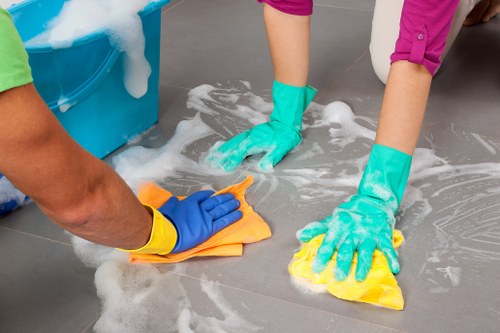
Rugs do much more than add style. They soften hard flooring, reduce echo, and create a sense of warmth in a room. But because they sit at floor level, they also capture the debris that gets carried in from shoes, pets, furniture movement, and everyday living. Over time, this buildup settles deep into the fibers and becomes difficult to remove with basic vacuuming alone.
Professional rug cleaning can make a noticeable difference in the feel of a room. Clean rugs look brighter, smell fresher, and last longer. They also help reduce the amount of airborne dust in a home, which is especially beneficial for families with allergies or respiratory sensitivities. For many households, rug cleaning is as much about health as it is about aesthetics.
Another important reason rug cleaning matters is preservation. Rugs, especially handwoven or natural-fiber pieces, can be expensive to replace. Dirt particles act like sandpaper within the pile, slowly wearing down fibers each time people walk across them. Regular rug cleaning helps prevent this gradual damage and protects the craftsmanship behind the rug.
Common Types of Rugs and Why Cleaning Methods Differ
Not all rugs are built the same, and that is why one-size-fits-all rug cleaning rarely works. Wool rugs, silk rugs, cotton rugs, synthetic rugs, shag rugs, antique rugs, and jute rugs each react differently to moisture, agitation, and cleaning solutions. A method that works well on one rug may cause fading, shrinking, or fiber distortion on another.
Wool rugs, for example, are durable but sensitive to harsh chemicals and excessive heat. Silk rugs require a delicate touch because the fibers can weaken or lose luster if cleaned improperly. Synthetic rugs are often more forgiving, but they can still trap odors and oily residues that require specialized treatment. Understanding the rug’s material is the first step in effective rug cleaning.
Rug construction also matters. Hand-knotted rugs, machine-made rugs, flatweaves, and tufted rugs all respond differently to dusting and washing. The backing, fringe, dye type, and pile height influence how a rug should be handled. This is why professional rug cleaning usually begins with inspection rather than immediate washing.
Signs Your Rug Needs Attention
Sometimes a rug needs cleaning long before it looks dirty. One of the clearest signs is an odor that doesn’t go away after vacuuming or airing out the room. That smell may come from spills, pet accidents, or moisture trapped deep within the fibers. If a rug starts to feel dull or stiff, that can also indicate embedded soil.
Other warning signs include visible traffic patterns, dark spots in frequently walked areas, and an increase in sneezing or dust around the room. If colors appear muted or the rug no longer lies flat the way it used to, dirt accumulation may be affecting its structure. In many cases, regular rug cleaning restores both appearance and comfort.
Stains should be addressed quickly, but even when a stain disappears on the surface, residues often remain. Sugary spills can attract more dirt, while pet accidents may leave behind bacteria and lingering odor. A proper rug cleaning process removes both visible and hidden contaminants.
Professional Rug Cleaning Methods That Deliver Better Results
Professional rug cleaning services typically use several methods depending on the rug’s condition and material. Dusting is often the first step. This removes dry soil that vacuuming alone may miss. After dusting, the rug may be pre-treated for spots and stains before a controlled washing method is selected.
One common approach is immersion washing, which involves fully washing the rug in a controlled environment. This method is often effective for durable rugs because it helps flush out soil from deep within the pile. Another option is low-moisture rug cleaning, which is useful for certain delicate rugs or situations where fast drying is important. Steam-based methods may be used in some cases, but they must be carefully managed to avoid over-wetting sensitive fibers.
Professional rug cleaning also includes rinsing and drying under controlled conditions. Proper drying is essential because trapped moisture can lead to odors, mildew, or warping. A reputable rug cleaning process will finish with grooming, inspection, and, when necessary, fringe cleaning or odor treatment.
Why controlled drying matters
Drying is not a minor step; it is one of the most important parts of rug cleaning. Rugs that dry too slowly can develop odor or backing damage. Rugs that are dried with too much heat can shrink or become brittle. Controlled drying helps maintain the rug’s shape and texture while ensuring it is safe to return to the home.
DIY Rug Cleaning: What You Can Do at Home
Home maintenance plays a big role in keeping rugs in good condition between professional treatments. Regular vacuuming is the foundation of at-home rug cleaning. Vacuum both sides when possible, especially for smaller rugs, to remove loose dirt before it works deeper into the fibers. Use a suction setting that suits the pile height and avoid overly aggressive brush rolls on delicate rugs.
Spot cleaning is another useful habit. When spills happen, blot immediately with a clean white cloth rather than rubbing, which can spread the stain and damage fibers. A mild cleaning solution may help with certain marks, but always test it in an inconspicuous area first. Too much liquid can penetrate the rug backing and create bigger problems later.
Rotating the rug every few months also helps distribute wear evenly. This simple step prevents one section from becoming more faded or compressed than the rest. If the rug is in a high-traffic area, using a pad underneath can reduce movement and improve air circulation, which supports better rug cleaning outcomes over time.
Helpful home care habits
- Vacuum regularly, especially in high-traffic areas.
- Blot spills quickly before they set.
- Use rug pads to reduce wear and slipping.
- Rotate rugs to balance sun exposure and foot traffic.
- Keep shoes off rugs when possible to reduce soil buildup.
How Rug Cleaning Helps With Allergies and Indoor Air Quality
Many people do not connect rug cleaning with indoor air quality, but the relationship is significant. Rugs can act like filters, capturing dust, pollen, pet hair, and other particles from the air. While that can be helpful in the short term, those particles remain in the fibers until they are removed through thorough rug cleaning.
When rugs are neglected, movement and foot traffic can release trapped particles back into the air. That means dirty rugs may contribute to sneezing, watery eyes, or general discomfort, especially in households with pets or allergy-sensitive family members. A consistent rug cleaning routine supports a healthier indoor environment by reducing hidden buildup.
For homes with children or pets, the need becomes even greater. Kids often sit or play on rugs, and pets may nap or shed on them daily. Regular rug cleaning helps ensure the surfaces people and animals touch most often remain cleaner and more sanitary. This is one of the strongest practical reasons to book a professional rug cleaning service rather than relying only on surface vacuuming.
Stain Removal in Rug Cleaning: Timing and Technique

Stains are one of the biggest reasons people seek rug cleaning in the first place. Coffee, wine, ink, mud, grease, and pet accidents can all leave lasting marks if not treated correctly. The key to stain removal is acting quickly and using the right method for the fiber and stain type.
Fresh stains should be blotted, not scrubbed. Scrubbing pushes the material deeper into the pile and can distort the fibers. Some stains respond well to gentle pH-balanced treatments, while others require targeted enzyme solutions or specialized spot treatment during professional rug cleaning. The wrong chemical, however, can bleach the fibers or set the stain permanently.
Older stains are often more challenging because they may have bonded with the rug fibers over time. That does not mean they are impossible to improve. In many cases, a professional rug cleaning process can significantly lighten stubborn stains even if complete removal is not guaranteed. The earlier a stain is addressed, the better the outcome usually is.
Common stain types and treatment priorities
- Organic stains such as food, beverages, and pet accidents usually require enzyme-based treatment.
- Oil-based stains often need specialized degreasing solutions.
- Color-based stains like ink or dye transfer must be treated carefully to avoid spreading.
- Soil and mud should be dried and removed before wet treatment whenever possible.
How Often Should Rugs Be Cleaned?
The right rug cleaning schedule depends on use, location, and material. A rug in a quiet bedroom will not need the same level of maintenance as a rug in a family room, entryway, or dining area. As a general rule, vacuuming should happen weekly or more often in busy households, while deep rug cleaning may be needed every 12 to 18 months.
Homes with children, pets, smokers, or high foot traffic may benefit from more frequent service. Light-colored rugs and rugs placed near doors also tend to show dirt faster. Seasonal factors matter too. During wet or muddy months, soil can accumulate more quickly and make rug cleaning more urgent.
Rather than waiting for a rug to look obviously dirty, it is better to treat rug cleaning as preventive maintenance. The more regularly a rug is cleaned, the easier it is to keep it looking and smelling fresh. This approach also helps protect the rug from long-term wear and tear.
What Makes Professional Rug Cleaning Worth It?
Some homeowners try to manage rug cleaning entirely on their own, but professional service offers advantages that are hard to match. Professionals have the training to identify fiber types, dyes, stains, and structural issues before choosing a method. That reduces the risk of shrinkage, color bleeding, or backing damage.
Professional rug cleaning also reaches deeper than typical household equipment can. Commercial-grade dusting, washing, rinsing, and drying systems remove soil that sits beneath the visible surface. The result is often a cleaner, softer, and more vibrant rug than DIY methods can achieve.
In addition, experts can notice issues such as moth damage, weak seams, fringes in need of care, or hidden moisture concerns. These problems may not be obvious to the average homeowner, but they can influence the rug’s long-term condition. For valuable, antique, or sentimental rugs, professional rug cleaning is often the safest choice.
Benefits at a glance
- Deeper soil removal
- Better stain assessment
- Safer handling of delicate materials
- Improved odor elimination
- Longer rug lifespan
Choosing the Right Rug Cleaning Service
If you are searching for rug cleaning in your area, it helps to know what to look for in a service provider. Start by checking whether the company understands different rug fibers and cleaning methods. A good rug cleaner should inspect your rug before beginning work and explain the process clearly.
Ask about drying procedures, spot treatment, and how the service handles delicate or antique pieces. It is also wise to ask whether the rug will be cleaned on-site or off-site. Many specialty rugs benefit from a controlled off-site rug cleaning facility where dusting, washing, and drying can be managed more precisely.
Transparency matters. A reliable service should be able to discuss the condition of your rug, any limitations, and what results to expect. While no professional can promise perfection on every stain, the best rug cleaning providers are upfront about the process and focus on protecting the rug while improving its appearance.
Rug Cleaning and Fabric Protection: Prevention Is Powerful
One of the smartest ways to reduce cleaning stress is to protect rugs before damage occurs. Rug pads, regular vacuuming, and prompt spot treatment all help. So does controlling indoor habits that add extra soil, such as eating over rugs, allowing wet shoes indoors, or placing rugs in areas exposed to heavy grime without protection.
Sunlight is another factor. Over time, direct UV exposure can fade dyes and weaken fibers. Rotating the rug, using curtains or blinds, and changing furniture placement can reduce uneven wear. When combined with consistent rug cleaning, these steps help preserve both appearance and structure.
If your rug is in a high-use zone, consider a maintenance plan that includes periodic professional cleaning, routine vacuuming, and quick attention to spills. This layered approach works better than relying on one deep cleaning session after years of buildup.
Fresh Rugs, Better Living
Rug cleaning is not just a housekeeping chore. It is part of creating a cleaner, more comfortable, and more attractive home. Clean rugs support better indoor air, improve the look of your rooms, and help protect the money and sentiment you’ve invested in your floor coverings. From delicate heirlooms to everyday synthetic pieces, each rug benefits from the right balance of care, maintenance, and professional attention.
When you understand how rug cleaning works, you make better decisions about stain care, frequency, and service selection. That means fewer surprises, better results, and rugs that continue to look good long after the first purchase. If your rugs are overdue for attention, book your service now and give your floors the refresh they deserve.
Contact us today to take the next step toward cleaner rugs and a healthier home environment.