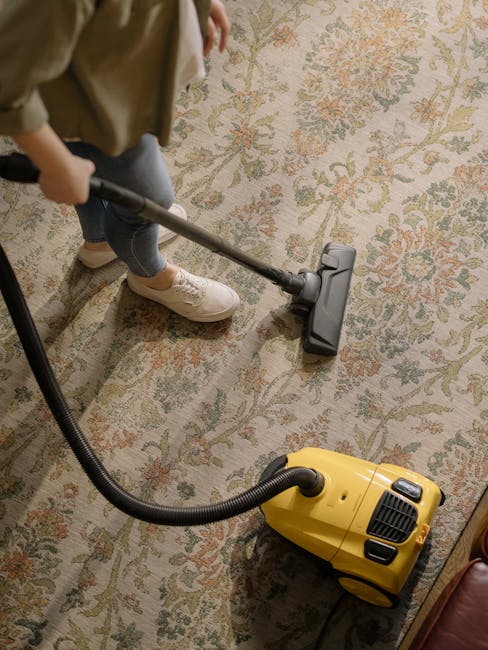
Guide to carpet cleaning on Cutty Sark and Narrow Street
If you live or work near Cutty Sark and Narrow Street, carpet care can feel like one of those jobs that quietly gets pushed back until the room starts looking tired. Foot traffic, wet shoes, pet mess, food spills, and the general pace of London life all leave their mark. This guide to carpet cleaning on Cutty Sark and Narrow Street breaks the whole thing down in plain English: what matters, how the process works, what results you can realistically expect, and how to choose the right approach for your home or business.
Whether you are dealing with a one-off stain, a well-used hallway carpet, or a full flat refresh, the goal is the same: cleaner fibres, better indoor freshness, and less wear over time. Truth be told, carpets often tell the story of a property. A bit of care goes a long way.
For readers wanting a broader service overview, the main carpet cleaning service page is a useful starting point, and if you are comparing related treatments, you may also want to look at steam carpet cleaning and stain removal.
Table of Contents
- Why Guide to carpet cleaning on Cutty Sark and Narrow Street Matters
- How Guide to carpet cleaning on Cutty Sark and Narrow Street Works
- Key Benefits and Practical Advantages
- Who This Is For and When It Makes Sense
- Step-by-Step Guidance
- Expert Tips for Better Results
- Common Mistakes to Avoid
- Tools, Resources and Recommendations
- Law, Compliance, Standards, or Best Practice
- Options, Methods, or Comparison Table
- Case Study or Real-World Example
- Practical Checklist
- Conclusion
- Frequently Asked Questions
Why Guide to carpet cleaning on Cutty Sark and Narrow Street Matters
Cutty Sark and Narrow Street sit in a part of London where homes and businesses often deal with a mix of heavy footfall, changing weather, and compact living spaces. That combination matters because carpets in these settings usually collect dirt faster than people realise. Fine grit gets walked in from pavements. Moisture from shoes, prams, and umbrellas settles into fibres. And in apartments, dirt has a funny habit of hanging around longer because space is tighter and airflow can be patchy.
A clean carpet is not just about appearance, either. It can affect how fresh a room feels, how comfortable it is to walk barefoot, and how long the flooring lasts before it needs replacing. In our experience, people often notice the smell before they notice the soil level. Slightly stale fibres, a faint mustiness, or a lingering pet odour can all build up slowly. Then one day, you walk in and think, right, enough is enough.
For businesses near the Thames or around busy local routes, carpet cleanliness also affects first impressions. Reception spaces, communal halls, letting properties, and hospitality areas all benefit from a more maintained look. Guests may not say much, but they notice. Of course they do.
The practical point is simple: regular carpet care is one of the easiest ways to protect a property investment without making a song and dance about it.
How Guide to carpet cleaning on Cutty Sark and Narrow Street Works
Good carpet cleaning starts with identifying the carpet type, the soil level, and any problem areas. Wool behaves differently from synthetic fibre. A lightly marked lounge carpet needs a different touch from a hallway with black tracking and deep grit. That sounds obvious, but it is where many rushed jobs go wrong.
Most professional cleaning follows a sequence: inspect, vacuum, pre-treat, agitate if needed, clean using the chosen method, then dry and finish. The details vary by fabric and condition. For example, hot water extraction is often used on many standard carpets because it can lift embedded dirt effectively, while low-moisture methods may suit delicate situations or faster turnaround needs.
The process also depends on what the carpet is actually dealing with. A red wine spill is not the same as ground-in soil. Pet accidents need more than a surface freshen-up. And if a carpet has been cleaned badly in the past, residues can attract dirt even faster. Slightly annoying, but very real.
Here is the basic logic in plain terms:
- Dry soil removal first: loose grit is lifted out so it does not turn into mud when moisture is added.
- Targeted pre-treatment: spots and traffic lanes are treated before full cleaning.
- Controlled cleaning: the method is matched to the fibre and condition.
- Rinse or residue management: detergents should not be left behind to trap new dirt.
- Drying: proper air movement helps reduce lingering dampness and risk of odour.
That is the core of it. Simple on paper, more nuanced in practice.
Key Benefits and Practical Advantages
There are plenty of reasons people choose carpet cleaning, but the strongest benefits are usually practical rather than dramatic. You get a cleaner-looking room, yes, but there is more to it than that.
- Improved appearance: colours look brighter, pile looks lifted, and mats down less obviously.
- Better freshness: reduced trapped odours can make a room feel much more comfortable.
- Longer carpet life: removing abrasive grit helps fibres wear more slowly.
- Better suitability for guests or tenants: useful before move-ins, viewings, or family visits.
- More comfortable daily living: especially where children, pets, or barefoot use are part of normal life.
One of the less-discussed benefits is consistency. A well-maintained carpet makes the whole property feel more joined up. Curtains, sofas, rugs, and upholstery start to look better too, which is why people often bundle services together. If that sounds familiar, it may be worth looking at rug cleaning, sofa cleaning, and upholstery cleaning.
There is also a practical money angle. Replacing carpet is expensive and disruptive. Cleaning, when done sensibly, tends to be a far easier first step. Not glamorous, but sensible. Very sensible.
Who This Is For and When It Makes Sense
This guide is relevant if you are a homeowner, tenant, landlord, letting agent, facilities manager, or small business owner in the Cutty Sark and Narrow Street area. That covers a lot of people, but the situations are a bit different.
Homeowners usually want a room to feel cleaner, fresher, and more welcoming. This may be after winter, after a renovation, or before family stayovers when everything suddenly needs to look decent all at once.
Tenants often need carpets cleaned before moving out, especially if there has been heavy use or a spill that has become part of the furniture, so to speak.
Landlords and agents tend to want reliable turnaround, consistent results, and minimal risk to the property. They also need cleaners who can work around voids, check-ins, and last-minute schedule changes. That is just the reality of letting.
Businesses may need cleaning because the floor is the first thing customers notice after the front door opens. Offices, small clinics, studios, and hospitality spaces all benefit from a calm, tidy appearance.
It makes sense to arrange professional cleaning when:
- the carpet has visible traffic lanes or dulling
- a spill has soaked beyond the surface
- odours keep returning after spot cleaning
- you are preparing a property for sale or letting
- allergy-sensitive occupants want a fresher environment
- the carpet has not been cleaned for a long time and feels flat or lifeless
Sometimes the answer is simple: if you can see it, smell it, or feel it underfoot, it is probably due.
Step-by-Step Guidance
If you want a practical route through the job, this is the easiest way to think about it.
- Assess the carpet properly. Check the fibre type, stain type, and level of wear. A quick look is not enough. Kneel down and really inspect the traffic paths.
- Clear the area. Move light furniture and fragile items if possible. It saves time and helps with edge cleaning.
- Vacuum thoroughly. Dry soil is the enemy of a good finish. Skip this, and the cleaning process has to work much harder.
- Spot treat problem areas. Spills, pet marks, and dark patches need targeted attention before the full clean.
- Choose the right method. Use the method that suits the carpet, the dry time you can accept, and the condition of the room.
- Carry out the clean. Work methodically and avoid over-wetting. More water is not automatically better. People still think it is, but no.
- Allow proper drying. Ventilation matters. Open windows where sensible, use airflow, and avoid putting furniture back too soon.
- Check the result. Look at traffic areas, edges, and any stains that may need a second pass.
A useful real-world tip: if you have a bright lamp or sunlight coming across the floor in the afternoon, check the carpet from that angle. Marks that are invisible from above can suddenly show themselves. Slightly rude, really, but useful.
Expert Tips for Better Results
There are a few habits that consistently improve outcomes, and they are not especially fancy.
Vacuum slowly. Quick passes do less than people expect. A slower pace lifts more grit and gives the machine more time to work. It is boring, yes, but effective.
Treat stains quickly but carefully. Blot, do not scrub. Scrubbing can distort fibres and push the stain deeper. For stubborn marks, the right product and dwell time matter more than brute force.
Mind the weather and ventilation. On damp days, drying takes longer. If the room feels stuffy, carpets can hold onto that wet-fabric smell longer than anyone wants.
Ask about residue. A clean that leaves sticky detergent behind may look okay for a day or two, then attract soil again. It is one of those hidden problems people only notice later.
Think beyond the carpet. Curtains, sofas, and mattress surfaces often hold odours or dust that affect the whole room. If you are refreshing one soft furnishing, it sometimes makes sense to handle the rest too. The connected services on curtain cleaning and mattress cleaning can help with that broader reset.
Do a patch test if you are unsure. Especially on older or dyed fibres. A cautious start is far better than a permanent colour change. Nobody wants that call.
And one more thing: be realistic about antique, heavily worn, or previously damaged carpets. Cleaning can improve them, but it cannot perform magic. Better to set expectations properly from the start.
Common Mistakes to Avoid
Most carpet problems do not come from one big disaster. They come from a handful of small, repeated mistakes.
- Using too much water: this slows drying and can lead to a musty smell or wicking, where stains reappear as the carpet dries.
- Rubbing stains aggressively: that spreads the mark and can damage the pile.
- Skipping vacuuming: loose soil turns into sludge during wet cleaning.
- Using the wrong cleaning product: some products are too harsh for delicate fibres or dyes.
- Ignoring edges and corners: these areas often hold more dust than the centre of the room.
- Putting furniture back too soon: damp carpets and heavy legs do not mix well.
- Assuming all stains are the same: food, drink, grease, pet accidents, and mud each need a different approach.
There is a temptation to try a quick home remedy first, especially if the stain is fresh. Fair enough. But if you have already blotted and the mark is still there, it may be better to stop before you make the patch larger or set the stain in place.
One small but common issue: overuse of scented sprays. They can mask odour for a bit, then mix with trapped smells in a way that is, frankly, not pleasant.
Tools, Resources and Recommendations
You do not need a van full of specialist equipment to understand the basics, but it helps to know what good practice usually involves.
| Method | Best for | Strengths | Limitations |
|---|---|---|---|
| Vacuuming | Routine maintenance | Removes dry soil, keeps pile healthier | Will not remove deep stains |
| Hot water extraction | Many domestic carpets | Deep clean, strong soil removal | Needs drying time and careful handling |
| Low-moisture cleaning | Lightly soiled or time-sensitive spaces | Faster drying, less disruption | May be less suitable for heavy contamination |
| Targeted stain treatment | Spots and odours | Focused response, useful on specific marks | Depends on stain type and how long it has been there |
Other useful recommendations include:
- a decent vacuum with strong suction and a clean filter
- plain white cloths or towels for blotting spills
- gentle cleaning products suited to carpet fibres
- good airflow after cleaning
- protective pads for furniture legs if items are being replaced onto damp carpet
If you are weighing up related treatments, pet stain odour removal is worth considering when accidents have left a smell that standard cleaning does not fully solve. For commercial premises, commercial carpet cleaning may be a better fit because the pace, access, and usage patterns are often different from domestic settings.
Law, Compliance, Standards, or Best Practice
Carpet cleaning is not usually a heavily regulated activity in the way some trades are, but there are still important UK expectations around safety, transparency, and responsible working. For example, cleaners should use appropriate handling practices for chemicals, make sensible decisions about electrical equipment, and avoid creating slip hazards during and after the job. That is just good practice, really, and it matters in both homes and workplaces.
If a property is occupied, cleaners should take care with access routes, drying times, and trip risks. For businesses and landlords, this is especially relevant where people are moving through shared entrances or stairwells. A damp hallway with no warning is asking for trouble.
It is also sensible to ask about insurance, customer communication, and complaint handling. Those things sound administrative, but they are part of trust. A provider that explains what is included, how damage concerns are handled, and what happens if a customer is unhappy is usually a safer bet. If you want to review supporting service information, the pages on insurance and safety, health and safety policy, terms and conditions, and complaints procedure are useful reference points.
For data handling and payment confidence, the related pages on payment and security, privacy policy, and cookie policy help build a clearer picture of how the business operates. That may sound dry, but people do care, especially when they are booking services into their own homes.
Options, Methods, or Comparison Table
Different carpet-cleaning approaches suit different situations. There is no one-size-fits-all answer, which is why a quick assessment matters so much.
| Option | Best use case | Dry time | Typical reader fit |
|---|---|---|---|
| Routine vacuuming | Weekly or frequent maintenance | None | Everyone |
| Spot cleaning | Fresh spills and isolated marks | Short | Households, landlords, offices |
| Steam cleaning / hot water extraction | Deep clean and soil removal | Longer | Heavily used carpets, move-outs, seasonal refreshes |
| Low-moisture cleaning | Faster turnaround needed | Shorter | Commercial spaces, busy homes, access-limited rooms |
| Specialist stain treatment | Pet accidents, grease, wine, unknown marks | Varies | Anyone with a stubborn problem patch |
The choice often comes down to three questions: how dirty is the carpet, how quickly do you need it dry, and how delicate is the fibre? Those are the questions worth asking before anything else.
If your carpet is part of a larger refresh, combining treatments can make the whole room feel more coherent. A clean carpet with dusty curtains and a tired sofa can leave the job half-finished. That is just how rooms work.
Case Study or Real-World Example
A common local scenario is a compact riverside flat where the hallway and living room carpets have picked up fine grit, a few food spills, and a slightly stale smell after a wet autumn. Nothing dramatic. Just the usual build-up from daily life. The residents may have been vacuuming regularly, but the carpet still looks flat, especially along the main walking line.
In a case like that, the first step is usually a proper inspection and vacuum. Then the traffic lane is pre-treated, obvious spots are handled carefully, and the carpet is cleaned using a method that balances soil removal with sensible drying time. If there is a pet issue, a separate odour-focused treatment may be added. The difference after cleaning is often less about one dramatic stain disappearing and more about the whole room feeling easier to live in.
I remember one job where the customer kept saying, almost apologetically, that the carpet was "just a bit tired." It was. But once the fibres were lifted and the old smell was gone, the room felt brighter in a way they had not expected. That kind of result is common enough. Quietly satisfying, really.
Practical Checklist
Use this checklist before booking or carrying out carpet cleaning:
- Identify the carpet fibre if possible
- Note any stains, spills, or odours
- Vacuum thoroughly before any wet cleaning
- Move fragile or valuable items out of the way
- Decide how much drying time you can allow
- Ask whether the method suits your carpet type
- Check whether stain treatment is included
- Confirm how long the room should stay off-limits
- Plan ventilation after the clean
- Keep furniture off the carpet until it is properly dry
Quick expert summary: the best results usually come from matching the method to the fibre, treating spots before the full clean, and allowing proper drying. It is not fancy. It is just the right sequence, done well.
Conclusion
Carpet cleaning on Cutty Sark and Narrow Street is about more than making a floor look tidy for a day. Done properly, it helps protect fibres, improves the feel of a room, and removes the quiet build-up of everyday life that can make a property feel older than it really is. Whether you are dealing with family traffic, pet odours, or a property turnaround, the smartest approach is usually the calm, methodical one.
If you remember nothing else, remember this: vacuum well, choose the right method, avoid overwetting, and give the carpet time to dry properly. That alone solves more problems than most people expect.
And if the carpet is telling you it wants a proper reset, it probably does. Sometimes the floor knows before anyone else.
Get a free quote today and see how much you can save.
Frequently Asked Questions
How often should carpets be cleaned on Cutty Sark and Narrow Street?
It depends on traffic, pets, children, and whether the property is domestic or commercial. Many homes benefit from a deep clean every 6 to 12 months, while busier spaces may need attention more often.
Is steam cleaning safe for all carpet types?
No, not automatically. Steam cleaning or hot water extraction works well for many carpets, but delicate fibres, specialist dyes, or very old carpets may need a gentler method. A proper inspection matters first.
How long does carpet cleaning usually take to dry?
Drying time varies by method, ventilation, pile thickness, and weather. Some carpets dry faster than others, but good airflow and avoiding heavy foot traffic make a big difference.
Will carpet cleaning remove pet smells?
It can help a lot, especially when the odour is trapped in the fibres rather than deeply in the underlay. For stronger pet problems, specialist treatment may be needed, particularly if accidents have happened repeatedly.
Can old stains be removed completely?
Sometimes yes, sometimes partly, and sometimes not fully. The stain type, how long it has set, and what products were used before all affect the outcome. Honest expectations are better than promises that sound too neat.
Is professional carpet cleaning worth it for a rental property?
Usually, yes. It can help the property present better, reduce odours, and support smoother changeovers between tenancies. It is also often less disruptive than replacing carpet.
What should I do before a carpet cleaner arrives?
Clear small items, move light furniture if you can, vacuum the carpet, and point out any stains, damage, or areas of concern. A quick walkthrough saves time later.
Are all stains treated the same way?
No. Coffee, wine, grease, ink, mud, and pet accidents each behave differently. That is why spot treatment should be matched to the problem rather than handled with one universal product.
Can carpet cleaning damage the carpet?
It can if the wrong method, chemical, or amount of moisture is used. That is why fibre testing, patch checks, and controlled cleaning matter. Good practice reduces the risk a lot.
What is the difference between carpet cleaning and stain removal?
Carpet cleaning is the broader process of refreshing the whole carpet, while stain removal focuses on specific marks or problem areas. In many jobs, the two are combined.
Should I also clean rugs, sofas, or curtains at the same time?
If the room feels generally dull or odorous, it often makes sense to treat soft furnishings together. A fresh carpet alongside tired upholstery can feel unfinished. Coordinated cleaning usually gives a better overall result.
How do I choose a reliable carpet cleaning provider?
Look for clear service information, sensible explanations of methods, insurance and safety details, and straightforward terms. It is also worth checking how they handle pricing, privacy, and complaints so you know what to expect.
For a final note, if you are comparing services or planning a wider clean, the supporting pages on about us and pricing and quotes can help you understand the service approach a little better.