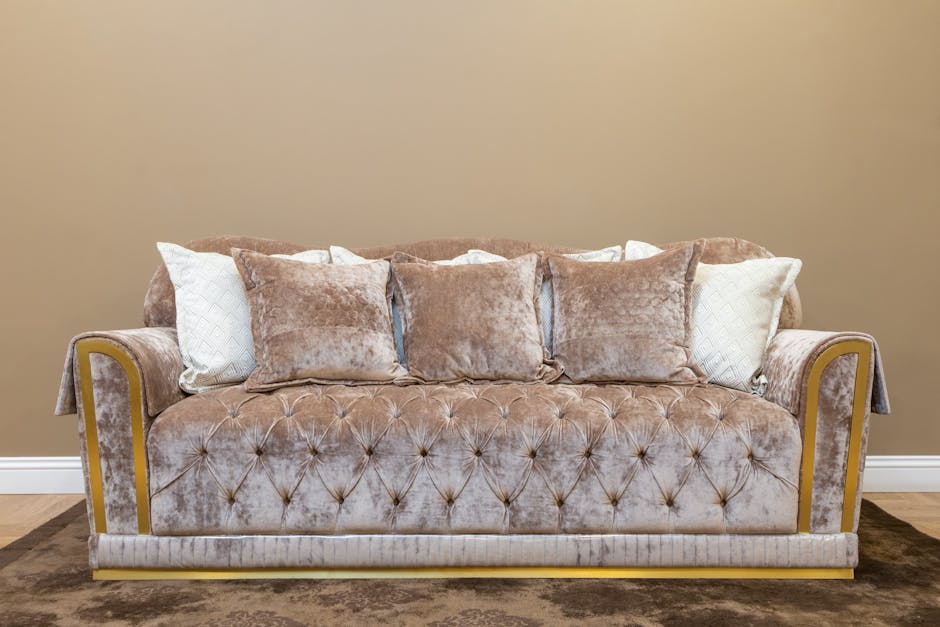
Sofa upholstery cleaning for homes near Greenwich Park
If you live near Greenwich Park, you already know how quickly a busy home can pick up everyday marks: a splash of tea on the armrest, pet hair in the weave, that faint dinner smell that seems to linger by the end of the week. Sofa upholstery cleaning for homes near Greenwich Park is not just about making a sofa look nice again. It is about keeping a central piece of furniture comfortable, hygienic, and worth keeping for longer.
That matters more than people often think. A sofa is where muddy shoes get forgotten, where children pile in after a walk, and where the room quietly collects dust, pollen, crumbs, oils, and the occasional mystery stain. In homes close to the park, there is also the extra mix of outdoor debris drifting in on coats, bags, and paws. So, yes, it adds up.
This guide breaks down what upholstery cleaning actually involves, how professional sofa cleaning works, when it makes sense to book it, and how to avoid the little mistakes that can turn a simple refresh into a headache. We will also cover practical checks, method comparisons, and a realistic step-by-step approach you can use at home or when choosing a specialist.
Quick take: the best sofa cleaning is the one matched to your fabric, your stain type, and your home routine. Not the most aggressive one. Usually the gentler, more informed option wins.
Table of Contents
- Why sofa upholstery cleaning near Greenwich Park matters
- How sofa upholstery cleaning works
- Key benefits and practical advantages
- Who this is for and when it makes sense
- Step-by-step guidance
- Expert tips for better results
- Common mistakes to avoid
- Tools, resources and recommendations
- Law, compliance, standards, or best practice
- Options, methods, or comparison table
- Case study or real-world example
- Practical checklist
- Conclusion
- Frequently asked questions
Why Sofa upholstery cleaning for homes near Greenwich Park Matters
Greenwich Park homes often sit at the intersection of city life and green space. That is lovely, of course, but it also means soft furnishings tend to collect a wider mix of dirt than you might expect. Fine dust, pollen, foot traffic from hallways, pet fur, food crumbs, and body oils all settle into upholstery fibres over time. On light-coloured fabric, you see it sooner. On darker fabric, you usually smell it before you see it. Not ideal.
Regular sofa cleaning helps keep fabrics from looking tired too quickly. More importantly, it supports a cleaner living environment. Upholstery acts like a filter. It traps airborne particles, and if you have children, pets, or frequent visitors, that build-up can happen fast. A sofa that looks "fine" on the surface can still hold quite a lot beneath.
There is also a practical value point. Sofas are expensive to replace, and many still have plenty of life left when the fabric starts to look dull. Cleaning can restore a fresh appearance, lift odours, and improve comfort without forcing you into a replacement you do not really need. To be fair, that is often the sensible option.
For local homes near the park, another detail matters: seasonal changes. Spring pollen, summer windows left open, wet shoes in autumn, and damp coats in winter can all affect upholstery in small but annoying ways. Those are the kinds of everyday issues that do not need drama, just the right cleaning approach.
How Sofa upholstery cleaning for homes near Greenwich Park Works
Good upholstery cleaning starts with identification, not scrubbing. A professional will usually check the fabric type, colour stability, age of the sofa, visible stains, and any manufacturer care instructions. That inspection shapes the method. Natural fibres, blended fabrics, textured weaves, velvet, and leather-feel materials all behave differently. If someone skips that bit, you should be cautious.
In many homes, the process begins with a dry soil removal stage. This means loose dust, crumbs, hair, and grit are lifted away before moisture is introduced. That step sounds basic, but it matters a lot. If you wet a sofa before removing dry debris, you can turn surface dust into muddy residue. Nobody wants that.
From there, a suitable cleaning solution is applied carefully. Depending on the material and the level of soiling, the technician may use a low-moisture method, hot water extraction, or targeted stain treatment. For delicate upholstery, control is everything. The aim is to clean the fibres without over-wetting the padding underneath, because too much moisture can lead to slow drying, fabric distortion, or lingering smells.
After cleaning, extraction or wiping removes the loosened dirt and solution. Then the sofa is left to dry under proper airflow. Drying times vary with fabric type, room temperature, ventilation, and how much product was used. If it is a grey London afternoon and the windows are barely open, it may simply take a bit longer. That is normal.
If the sofa has a specific issue such as a food spill, pet accident, or drink stain, targeted stain removal may be needed alongside the main clean. For odours linked to pets, the specialist approach is usually more effective than just masking the smell. In those cases, pet stain and odour removal is often the better route.
Key Benefits and Practical Advantages
The most obvious benefit is visual. A cleaned sofa looks brighter, fresher, and less worn. But the real gains go beyond the "looks nice again" moment. You also reduce the build-up of dust and residues that make fabrics feel sticky or flat. That can make a room feel cleaner overall, even before you notice any dramatic before-and-after change.
Odour control is another big win. Sofas can hold cooking smells, pet odours, damp smells from clothes, and the general everyday aroma of family life. There is no shame in that. Homes are lived in. Cleaning helps reset the room, especially in open-plan spaces where the sofa is right at the centre.
There is also a longevity benefit. Dirt particles work like fine abrasive grit. Over time they can wear at fabric fibres, especially on seat cushions and armrests. Routine cleaning helps slow that wear, which can extend the usable life of the furniture. In plain English: less grime, less damage, fewer regrets later.
- Improves the appearance of tired upholstery
- Helps reduce lingering household and pet odours
- Supports a more hygienic living space
- Can extend the life of your sofa
- Helps protect your furniture investment
- Makes regular vacuuming and spot care more effective
For households that also need broader fabric care, it can make sense to align sofa maintenance with general upholstery cleaning or even other soft-furnishing services like curtain cleaning. A whole-room refresh is not always necessary, but sometimes it is the neatest way to get everything feeling right again.
Who This Is For and When It Makes Sense
This service is a strong fit for families, pet owners, renters, homeowners preparing for guests, and anyone who wants to keep their living room in better shape without replacing furniture too soon. If your sofa is used daily, the answer is usually simple: it probably needs cleaning before you think it does.
It also makes sense after specific events. Think about a birthday party with red wine and cake frosting, a wet dog jumping onto the cushions after a walk, or a cold winter week when muddy boots and damp coats are in constant circulation. Sometimes you do everything "right" and the sofa still ends up looking a bit sorry for itself. Happens.
If you have allergy concerns, regular upholstery cleaning can be part of a cleaner home routine. It is not a medical treatment, obviously, but reducing dust and allergen build-up in soft furnishings can improve day-to-day comfort for some households. The same applies if you simply dislike that stale, lived-in smell that can creep into fabric over time.
For those comparing household cleaning options, it is worth noting how sofa cleaning sits alongside other services. A family may pair it with carpet cleaning after a busy season, or choose steam carpet cleaning for flooring while keeping upholstery on a separate schedule. Different materials, different treatment. Simple, really.
Step-by-Step Guidance
Here is a practical way to think about the sofa cleaning process from start to finish.
- Inspect the fabric. Check the sofa label if you can. Look for signs of wear, fading, loose stitching, or old stain patches. If the fabric is delicate or already damaged, the approach should be gentler.
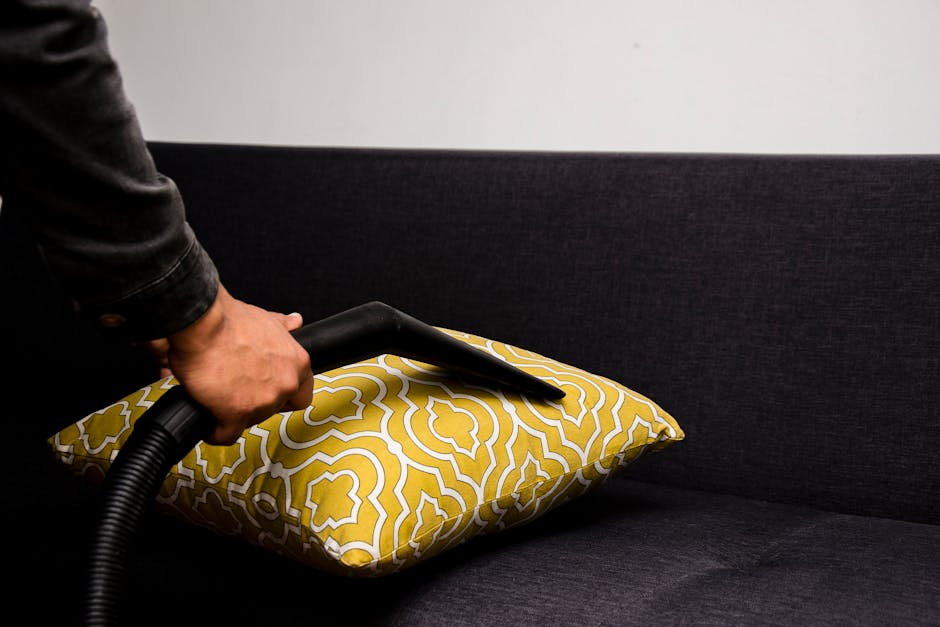
- Vacuum thoroughly. Use a upholstery attachment and work slowly along seams, piping, under cushions, and in the corners. This removes dry debris before any moisture is introduced.
- Identify stain types. Food, drink, body oils, pet accidents, ink, and mud each behave differently. Treating them all the same is a fast way to create blotches.
- Test a small area. Even when a fabric looks robust, a discreet patch test helps reduce the risk of colour bleed or water marks.
- Apply the correct method. Depending on the sofa, this could be foam, low-moisture cleaning, hot water extraction, or a specialist spot treatment.
- Extract and wipe carefully. Remove loosened dirt and product residue without over-soaking the fabric or cushion fillings.
- Allow proper drying. Ventilation, airflow, and patience matter. Open windows if conditions allow, but do not force heat too close to the fabric.
- Finish with fabric care. Brush the fibres lightly if appropriate, re-fluff the cushions, and wait until fully dry before using the sofa normally.
A small but useful detail: if a stain has already been rubbed hard with a damp cloth, tell the cleaner. That can change the stain pattern and influence how the treatment is handled. No judgement. It just helps.
Expert Tips for Better Results
Good sofa cleaning is partly technique and partly restraint. In our experience, the best results often come from not rushing the process. A quick blast of product is rarely the answer. Careful application usually is.
Tip one: keep on top of dry soil between deep cleans. Weekly vacuuming with the right tool makes a noticeable difference. You will notice the sofa feels less gritty, and stains are less likely to bind into the fabric.
Tip two: deal with spills early, but gently. Blot, don't scrub. Press with clean absorbent cloths and work from the outside of the mark inward. Scrubbing spreads the mess. It also makes you feel busy while making things worse, which is a bit rude of the stain, frankly.
Tip three: mind the drying environment. A slightly open window, moderate heating, and good air circulation are usually better than blasting hot air directly at the fabric. Fast drying is good. Extreme drying is not.
Tip four: protect against repeat damage. If the sofa is in a high-use family room, think about throws, cushion rotation, and a sensible no-food rule for the messiest snacks. Let's face it, sticky fingers and pale upholstery have never been best friends.
Tip five: choose cleaning by fabric, not by guesswork. A velvet sofa, a woven polyester blend, and a delicate natural fibre piece are not the same job at all. If a provider sounds too confident without asking what the sofa is made from, that is a small warning sign.
Common Mistakes to Avoid
A lot of upholstery damage happens through well-meaning mistakes. The good news is that most are avoidable.
- Over-wetting the sofa: too much moisture can seep into padding and slow drying dramatically.
- Using the wrong cleaning product: some household sprays leave residue, attract more dirt, or affect colour.
- Scrubbing stains aggressively: this can spread the stain and rough up the fabric surface.
- Skipping a patch test: even sturdy-looking materials can react badly.
- Cleaning only the visible mark: this can leave a tide line or uneven finish.
- Ignoring the care label: the manufacturer guidance is there for a reason.
Another mistake is assuming every sofa can be treated the same way. It cannot. A bit of care upfront saves a lot of awkwardness later. If you are ever uncertain, pause and get proper advice rather than improvising with whatever is under the kitchen sink.
Tools, Resources and Recommendations
For everyday maintenance, you do not need a cupboard full of gadgets. A few sensible basics go a long way.
- A vacuum with an upholstery tool
- Clean white microfibre cloths
- A soft brush for dry debris
- Absorbent cloths or plain paper towels for fresh spills
- A gentle fabric-safe spot treatment, used sparingly
- Good ventilation and patience, honestly the least glamorous tool but one of the most important
If you are comparing service options, it is helpful to look at whether the company explains fabric checks, stain treatment, drying expectations, and aftercare. A strong provider should also be clear about pricing, booking, and what is included. If you want a sense of what to expect before arranging a visit, the pricing and quotes page is a useful place to start. If trust and company background matter to you, a quick read of the about us page can help.
For wider home maintenance, some readers prefer to bundle soft furnishing care with rug cleaning or even mattress cleaning. That is especially handy if you are doing a seasonal reset and want the whole home to feel fresher rather than just one room.
Law, Compliance, Standards, or Best Practice
For household sofa cleaning, the main compliance issue is usually not a complex legal one; it is care, safety, and consumer trust. In the UK, cleaners are generally expected to handle products safely, follow sensible risk controls, and respect the manufacturer instructions for furnishings. That includes avoiding unnecessary moisture, using appropriate products, and working in a way that does not damage the property.
It is also sensible to expect clear communication about insurance, safety, and any terms that shape the service. If a company is entering your home, you want to know they take those responsibilities seriously. You can usually look for this in pages such as insurance and safety information, health and safety policy, and terms and conditions.
Best practice also includes honest expectations. A careful cleaner should explain that some stains may fade rather than disappear completely, especially if they have already set or been treated badly before. That is not a failure. It is just the reality of fabric care. Anyone promising magic on every stain is probably being a bit too cheerful.
Options, Methods, or Comparison Table
Different sofa fabrics and soil levels call for different approaches. The table below gives a straightforward comparison.
| Method | Best for | Pros | Watch-outs |
|---|---|---|---|
| Vacuuming and dry maintenance | Weekly upkeep, light dust and crumbs | Fast, low risk, keeps dirt from settling | Won't remove deep stains or odours |
| Low-moisture upholstery cleaning | Most everyday fabric sofas | Controlled, efficient, usually quicker drying | Needs proper technique and product choice |
| Hot water extraction | Heavier soiling, robust fabrics | Deep cleaning, strong soil removal | Can over-wet delicate materials if misused |
| Targeted stain treatment | Single marks, drink spills, pet spots | Focused, useful for isolated problem areas | Not always enough on its own for whole-sofa grime |
| Specialist odour treatment | Pet accidents, persistent smells | Deals with the source rather than masking it | May require follow-up cleaning for best results |
If you are unsure which route to choose, think about the sofa as a whole. Is it just one stain? Is the entire surface looking dull? Are you mainly chasing smell, appearance, or hygiene? That answer usually points to the right method pretty quickly.
Case Study or Real-World Example
Picture a family home not far from Greenwich Park after a busy weekend. Two children, one dog, a few visitors, and a sofa that has quietly absorbed the lot. The cushions are still comfortable, but the pale fabric has gone a little flat, and there is a faint dog-and-dinner smell sitting in the room. Nothing dramatic. Just enough to feel annoying every time you sit down.
In a case like that, the first sensible move is a full inspection and vacuum. Then the cleaner would usually treat the high-contact areas: armrests, seat fronts, headrest zones, and the pet-sleeping spot that everyone pretends not to notice. If there is a single stain, that gets targeted. If the smell is the bigger issue, odour treatment becomes part of the plan.
What tends to surprise people is how much difference the fabric surface can make once the embedded dust is lifted out. The sofa often looks brighter before the stain is even fully dealt with. And once it dries, the room feels cleaner. A bit lighter somehow. You know the feeling.
That kind of job is also a good reminder that sofa cleaning is not always about one big disaster. Often it is just about bringing a hardworking piece of furniture back to a state that feels pleasant again.
Practical Checklist
Use this checklist before booking or cleaning your sofa.
- Check the care label if it is visible
- Identify the main issue: stains, odours, dust, pet hair, or general dullness
- Vacuum thoroughly, including seams and under cushions
- Blot fresh spills rather than rubbing them
- Test any product on a hidden patch first
- Make sure the room has decent airflow for drying
- Ask about fabric suitability before choosing a method
- Check whether the cleaner can explain drying time clearly
- Review insurance, terms, and pricing before confirming
- Plan what you will do with the sofa while it dries, because yes, you will need to avoid sitting on it for a bit
If you want a trustworthy route from the outset, start by reviewing the company's contact information and service pages, then judge how clearly they explain their process. A careful explanation usually says a lot.
Conclusion
Sofa upholstery cleaning for homes near Greenwich Park is one of those jobs that pays back in several quiet ways. It keeps the home looking better, helps the room smell fresher, protects the fabric, and makes your furniture feel worth keeping for longer. The best results come from matching the cleaning method to the sofa, treating stains properly, and avoiding rushed DIY fixes that do more harm than good.
If your sofa is starting to look tired, or if it has picked up the usual mix of family life, pet life, and London life, a proper clean can make a surprisingly big difference. Not flashy. Just genuinely satisfying. And sometimes that is exactly what a home needs.
Get a free quote today and see how much you can save.
When the room feels fresher, everything else seems a bit easier. Funny how that works.
Frequently Asked Questions
How often should I arrange sofa upholstery cleaning near Greenwich Park?
For a heavily used family sofa, a deeper clean every 12 to 18 months is a common practical rhythm, though pet owners and households with young children may need it more often. Light maintenance in between helps a lot.
Can all sofa fabrics be steam cleaned?
No, not all fabrics suit steam or hot water extraction. Delicate fibres, some velvets, and certain blended materials need a gentler approach. The fabric type should always guide the method.
Will sofa cleaning remove old stains completely?
Sometimes yes, sometimes only partly. Fresh stains usually respond better than old set-in marks. A good cleaner should explain what is realistic rather than promise perfection on every mark.
How long does a sofa usually take to dry?
Drying time varies with fabric, room airflow, cleaning method, and how much soil was present. Some sofas dry faster than others, but it is wise to allow a proper drying window before full use.
Is professional upholstery cleaning better than doing it myself?
For routine maintenance, DIY vacuuming and careful spot treatment are useful. For deeper cleaning, stubborn stains, or delicate materials, a professional approach is usually safer and more effective.
What should I do before a cleaner arrives?
Clear small items off the sofa, remove throws or cushions if asked, vacuum if you can, and point out any known stains or problem areas. A little prep helps the appointment run more smoothly.
Can upholstery cleaning help with pet smells?
Yes, especially when the smell comes from deeper within the fabric rather than the surface. In those cases, a specialist pet stain odour removal approach is often more effective than a simple freshen-up.
How do I know if my sofa needs stain removal or a full clean?
If there is one isolated mark, targeted treatment may be enough. If the sofa looks dull overall, feels dusty, or carries a general odour, a full clean is usually the better choice.
Are there health and safety issues with upholstery cleaning?
Yes, mainly around product handling, moisture control, ventilation, and avoiding damage to the property. That is why clear policies and careful technique matter. Safe practice should never feel like an afterthought.
Should I clean my sofa before or after carpet cleaning?
Either can work, but many people prefer to clean carpets and upholstery in the same visit or on the same day so the whole room feels refreshed together. It is a bit easier on the eye, too.
What if my sofa label is missing?
That happens quite often. If the care label is missing, the cleaner should inspect the fabric, test a hidden area, and choose a cautious method. No label does not mean no cleaning; it just means more care is needed.
How can I keep my sofa cleaner for longer after treatment?
Vacuum weekly, blot spills quickly, rotate cushions where possible, and avoid using harsh household sprays on the fabric. A bit of steady maintenance goes a long way, honestly.